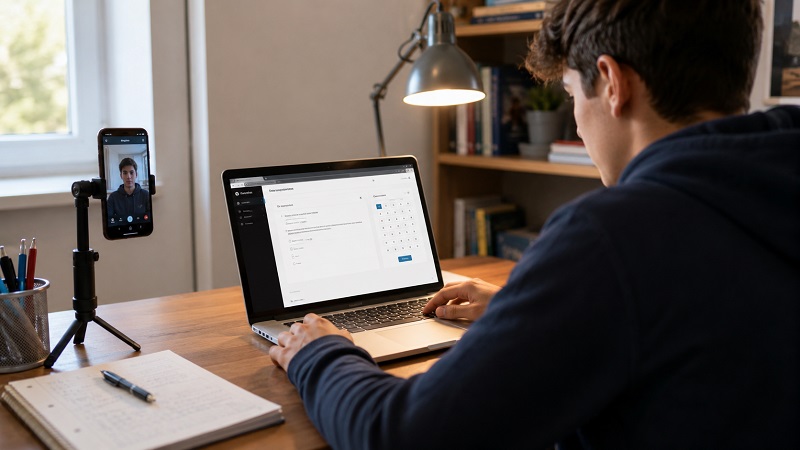
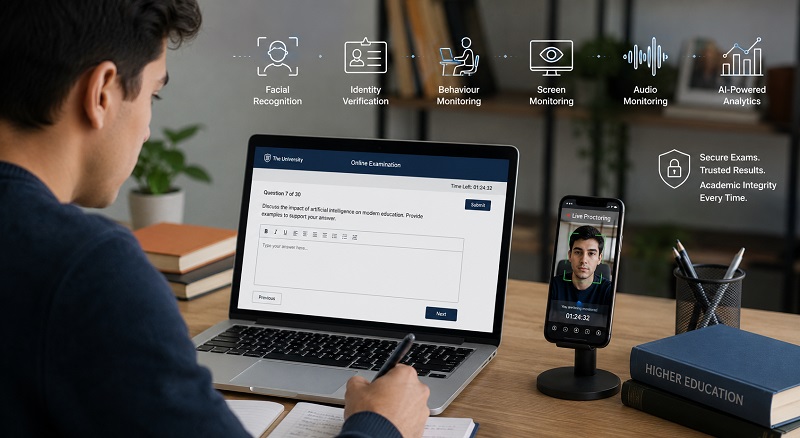
As digital learning becomes increasingly central to education in South Africa, colleges are seeking ways to protect the integrity of assessments without relying on traditional physical examination venues. Mobile proctoring has emerged as one of the most effective solutions, allowing institutions to supervise online exams using smartphones and tablets. This approach removes barriers linked to infrastructure, cost, and connectivity, making it highly suitable for South African students.
This detailed guide explores how mobile proctoring enhances exam security, why it is a practical solution for South African colleges, and how it can help institutions deliver secure assessments across all learning environments.
The Growing Importance of Mobile Proctoring in South Africa
With many students accessing education through mobile devices, it is essential for colleges to adopt assessment tools that align with this behaviour. Mobile proctoring uses the camera, microphone, and sensors on a student’s device to monitor exam sessions. These tools can be used wherever the student is located, making examinations more accessible and efficient.
South African colleges face unique challenges:
- Unequal access to computers
- Limited connectivity in rural regions
- High data costs
- Large volumes of students
Mobile proctoring addresses these challenges by making exam supervision more accessible and affordable.
How Mobile Proctoring Enhances Exam Security
1. Accurate Identity Verification
One of the biggest risks in online assessments is identity fraud. Mobile proctoring platforms use biometric verification, such as facial recognition, to confirm that the correct student is taking the exam. This prevents impersonation and protects the credibility of the qualification.
2. Real Time Behaviour Monitoring
Mobile proctoring tools use video and audio to track the student’s environment. If the student attempts to receive help or open unauthorised materials, the system flags the behaviour for review. This greatly improves exam security in South Africa where remote supervision may otherwise be difficult.
3. Secure Assessments with AI Monitoring
Artificial intelligence examines patterns such as eye movement, gestures, noise levels, and phone positioning. This reduces the workload for lecturers and ensures that suspicious behaviour is detected quickly, even in large groups of students.
4. Low Data Usage for Better Accessibility
A major barrier to digital assessments in South Africa is the cost of mobile data. Mobile proctoring solutions designed for the region use very little data, making them affordable for students. This is especially helpful for rural learners with limited internet access.
5. Supports Both Remote and In-Venue Exams
Mobile proctoring is versatile. It can be used for fully remote online assessments or as an additional layer of security inside examination venues. Students simply use their phones to authenticate themselves and submit their work securely.
6. Location Verification for Exam Compliance
Mobile devices allow precise location tracking using GPS. This ensures students are writing from an approved environment or within an authorised venue. Location tracking eliminates proxy writing and unauthorised exam locations.
7. Easy Script Submission and Secure Storage
Many mobile proctoring platforms allow students to upload written scripts or images of their work directly from their phones. These uploads are encrypted and stored securely, reducing the risk of lost or tampered exam material.
8. Improved Administrative Efficiency
Lecturers and administrators save time with automated checks, easy script access, and digital reporting. This streamlines exam management, removes manual handling, and ensures faster grading and verification.
Why Mobile Proctoring is Ideal for South African Colleges
Mobile First Country
The majority of South African students use smartphones as their primary device for learning. Mobile proctoring aligns perfectly with this behaviour.
Reduced Infrastructure Costs
Colleges do not need computer labs or expensive proctoring equipment. Students use their own devices.
Supports Large Student Populations
Mobile proctoring scales easily, allowing institutions to run thousands of assessments without additional staff.
Improves Access for Rural Students
Many rural learners may not have computers but do have smartphones. Mobile proctoring ensures they are not left behind.
Protects the Value of Qualifications
When assessments are secure, the college maintains trust from employers, accreditation bodies, and students.
Key Features to Look for in a Mobile Proctoring Tool
When selecting mobile proctoring solutions, South African colleges should prioritise:
- Facial recognition verification
- Audio and video monitoring
- Secure local data storage
- Offline exam support
- Low data consumption
- Easy integration with LMS systems
- GPS location verification
- Real time suspicious behaviour alerts
Tools like The Invigilator App were developed specifically with South African education challenges in mind, making them a strong choice for digital exam security.
Implementing Mobile Proctoring in Your Institution
1. Evaluate Exam Needs
Identify the subjects and exam types that require digital security measures. Consider which assessments can move online easily.
2. Select a Mobile Proctoring Platform
Choose a tool that suits your student population, infrastructure, and budget. A mobile first solution is crucial for accessibility.
3. Train Lecturers and Administrators
Provide training on how to monitor flagged behaviour, review reports, and support students during the exam process.
4. Prepare Students
Allow students to complete demo tests, understand rules, and learn how to use the app before the actual exam.
5. Scale Across Programmes
Once the system works smoothly, roll it out to additional faculties and departments.
How Mobile Proctoring Supports Secure Assessments in the Long Term
Mobile proctoring is not just a temporary trend. It is a long term strategy that will shape the future of digital assessment in South Africa. With ongoing improvements in AI and device capabilities, colleges will increasingly rely on mobile technology to ensure fair and equal assessment conditions.
Secure assessments are vital for protecting the value of education. By adopting mobile proctoring, institutions create a trusted, modern, and accessible system that supports both students and educators.
Mobile proctoring is a powerful tool for improving exam security in South African colleges. It aligns with the realities of student access, provides strong security features, and ensures that assessments remain fair and credible. By using mobile devices for identity checks, behaviour monitoring, location verification, and secure uploads, colleges can confidently digitise their exam processes.
As digital learning continues to expand in 2025 and beyond, mobile proctoring will remain a central part of secure assessment strategies for institutions across South Africa.
FAQs and Answers
1. What is mobile proctoring in South Africa?
Mobile proctoring uses a smartphone to monitor students during exams and ensure secure assessments across remote environments.
2. How does mobile proctoring improve exam security?
It verifies identity, monitors behaviour, records audio and video, and flags any suspicious activity for lecturers to review.
3. Can students cheat during mobile proctored exams?
Advanced monitoring tools make cheating very difficult. Any unusual behaviour is recorded and flagged for investigation.
4. Is mobile proctoring suitable for rural students?
Yes, platforms designed for South African students use minimal data and work on entry level devices.
5. Do South African colleges use mobile proctoring?
Yes, many colleges and universities use mobile proctoring to support secure online assessments.
6. Does mobile proctoring record students during the exam?
It may record audio, video, and screen activity depending on the exam rules and the institution’s policies.
7. How does mobile proctoring verify student identity?
Most tools use facial recognition and other biometric checks to confirm the correct student is taking the exam.
8. Is mobile proctoring safe for student data?
Reputable platforms store all data securely and comply with South African privacy laws such as POPIA.