Ensuring Fairness and Accessibility in Remote Student Assessments
Online education has expanded rapidly, and with it the need for secure, fair, and reliable assessment tools. Institutions are increasingly moving to digital platforms to conduct tests, but one of the greatest challenges has been ensuring exam integrity without overburdening students with technical or data costs. This is where mobile proctoring becomes essential. By using smartphones that most students already own, institutions can conduct remote assessments without requiring expensive devices or high data consumption. The concept of low data mobile proctoring offers a way to ensure academic honesty while remaining accessible to students across diverse backgrounds.
This article explores how mobile proctoring works, why low data usage is a game changer, and how it is shaping the future of remote assessments.
What is Mobile Proctoring
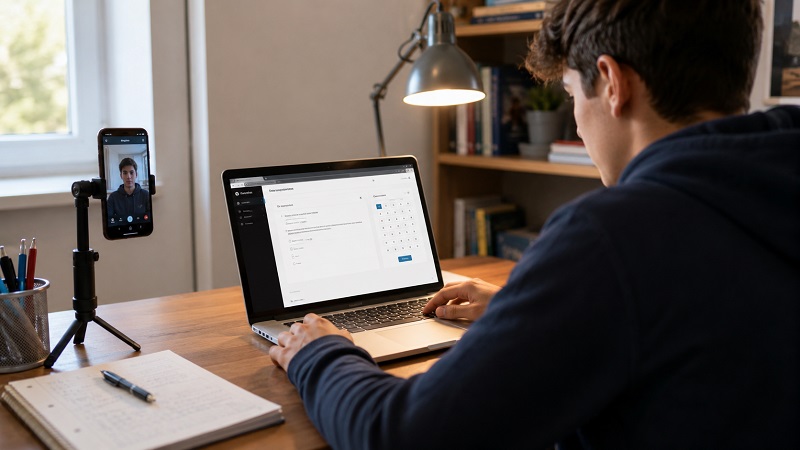
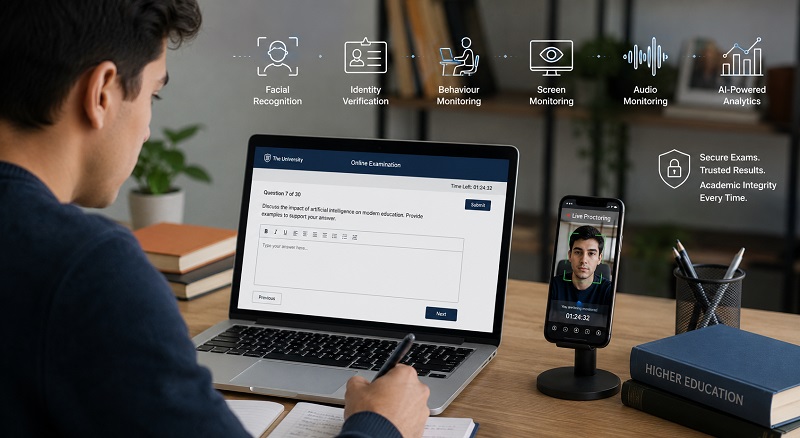
Mobile proctoring is the process of monitoring students during online exams using their mobile devices. Instead of relying solely on desktop software or high bandwidth internet, students can download an app that enables proctoring through the camera, microphone, GPS location, and identity verification tools built into their phones.
With mobile proctoring, institutions can verify who is writing the exam, monitor suspicious activity, and collect evidence in case of misconduct. The accessibility of smartphones allows a wider reach, particularly in areas where students may not have access to powerful computers or fast internet connections.
Why Remote Assessments Need Mobile Proctoring
Remote assessments are critical in the modern education environment. Universities, schools, and training providers need to ensure students can complete their exams outside traditional venues. However, without supervision, risks such as impersonation, collaboration, or use of unauthorised resources increase significantly.
Mobile proctoring bridges this gap by offering:
- Identity verification through facial recognition or manual photo checks.
- Live or recorded monitoring using the phone camera and microphone.
- Environment checks through periodic prompts or selfie requests.
- Location validation using GPS to detect group collusion.
By combining these tools, institutions can protect the fairness and credibility of remote assessments while maintaining student convenience.
The Role of Low Data in Proctoring
One of the biggest barriers to digital exam monitoring is the amount of data required. Many proctoring solutions depend on high speed, continuous internet connections, which exclude students who have limited resources.
Low data mobile proctoring addresses this by:
- Compressing video and audio files for efficient storage.
- Uploading captured data after the exam instead of continuously streaming.
- Requiring as little as 15 to 20 MB per exam, making it affordable even on prepaid data plans.
- Enabling functionality in offline or low connectivity environments, with upload completed once the exam ends.
This approach makes remote assessments inclusive and ensures that students from all backgrounds can participate fairly.
Benefits of Low Data Mobile Proctoring
1. Accessibility for All Students
Students in rural or low connectivity regions can still complete exams without fear of being disadvantaged by poor network quality.
2. Cost Effective for Students
With mobile data being expensive in many regions, reducing consumption ensures that students are not burdened financially.
3. Institutional Efficiency
Institutions save costs by not needing high bandwidth infrastructure or specialised venues, while maintaining academic standards.
4. Enhanced Academic Integrity
Low data does not mean reduced security. Proctoring tools still monitor video, audio, and GPS data to detect potential dishonesty.
5. User Friendly Approach
Mobile applications are designed to be simple and intuitive, allowing students to focus on their exams rather than complicated technology.
Use Cases of Mobile Proctoring in Remote Assessments
- Higher Education: Universities conducting semester exams remotely can ensure fairness while supporting students who may not have advanced devices.
- Professional Certifications: Training providers offering online certifications can reach candidates worldwide.
- Corporate Training: Companies assessing employees after online training modules can conduct exams securely without requiring desktop setups.
- School Level Exams: Schools implementing online learning can use mobile proctoring to keep assessments transparent.
Addressing Concerns About Privacy
Some students and parents raise concerns about data privacy with mobile proctoring. Reputable providers ensure that:
- Data is encrypted and stored securely.
- Only authorised institutional staff can review flagged content.
- Audio, video, and photos are used strictly for exam purposes.
- Data is deleted according to compliance guidelines.
This transparency helps to build trust and ensures adoption on a wider scale.
Future of Remote Student Assessments with Mobile Proctoring
The shift towards online education is permanent. Mobile proctoring will continue to play a key role in shaping secure digital exams. Future advancements may include:
- AI powered monitoring to detect subtle forms of cheating.
- Improved offline functionality for areas with no connectivity.
- Greater personalisation of exams with adaptive monitoring features.
- Seamless integration with learning management systems.
The future is about inclusivity and fairness, ensuring that every student, regardless of device or data availability, can participate equally.
If your institution is ready to implement secure and fair digital exams with mobile proctoring, visit the Contact Us page on Invigilator and speak to our team today. Together we can ensure your students enjoy reliable and low data remote assessments with complete confidence.
Frequently Asked Questions
1. How does mobile proctoring work in online exams
Mobile proctoring uses the camera, microphone, and GPS of a smartphone to monitor and verify student identity and behaviour during online exams.
2. Is low data mobile proctoring reliable
Yes, it compresses monitoring data without reducing exam security, ensuring fair results for all students.
3. Can mobile proctoring work without internet
Yes, offline functionality allows data to be stored locally and uploaded when internet access is restored.
4. What are the benefits of low data proctoring for students
It reduces data costs, works on entry level devices, and provides equal access for students in low connectivity areas.
5. How is privacy protected in mobile proctoring
Data is encrypted, securely stored, and used strictly for exam monitoring, with access limited to authorised staff.
6. Can mobile proctoring detect group cheating
Yes, GPS detection and periodic prompts help identify students attempting to collaborate during exams.
7. Is mobile proctoring suitable for professional certification exams
Yes, it is widely used in higher education and professional training to ensure fairness and credibility in assessments.
8. What future developments can we expect in mobile proctoring
Future improvements include AI monitoring, deeper integration with education platforms, and enhanced offline features.