As we approach 2026, the landscape of education continues to shift toward more digitised, flexible, and remote-friendly learning environments. With this shift comes the increasing need for reliable and secure methods to conduct assessments. Remote assessments are no longer a short-term solution, they are becoming a cornerstone of modern academic delivery.
In South Africa and beyond, educational institutions are facing the urgent question: Are we ready for remote assessments in 2026? This article explores the challenges, technologies, and strategic considerations institutions must tackle to ensure readiness, focusing on the role of secure exam platforms and current online learning trends.
The Evolution of Online Learning and Assessment
The global education sector has seen a significant evolution since 2020. Initially driven by necessity, remote learning has now become a strategic approach for inclusive and flexible education. With that comes the imperative to rethink how assessments are conducted.
Traditional in-person exams are gradually giving way to more sophisticated and secure online formats. From assignments and quizzes to full-scale invigilated exams, digital platforms are being employed to manage everything remotely. However, this convenience demands increased attention to exam security, academic integrity, and accessibility.
Key Drivers of Remote Assessments in 2026
Several factors are driving the adoption of remote assessments:
- Accessibility and Inclusion: Remote assessments allow students in rural or underserved areas to participate without the need for physical attendance.
- Scalability: Institutions can conduct assessments for large cohorts simultaneously without requiring physical infrastructure.
- Data and Analytics: Secure platforms offer performance analytics, enabling real-time decision making and personalised learning insights.
- Cost Efficiency: Reduced logistical and venue costs make remote assessments an attractive option for long-term academic planning.
- Pandemic Preparedness: Institutions now maintain digital readiness as a safeguard against disruptions caused by health crises or natural events.
Common Challenges Institutions Face
Before embracing remote assessments fully, institutions must address the following challenges:
- Cheating and Academic Dishonesty
- Digital Divide and Accessibility
- Authentication of Learners
- Technical Failures or Internet Outages
- Resistance to Change from Faculty or Students
These concerns are valid but solvable with the right strategy and secure exam platforms in place.
Secure Exam Platforms: The Foundation of Trust
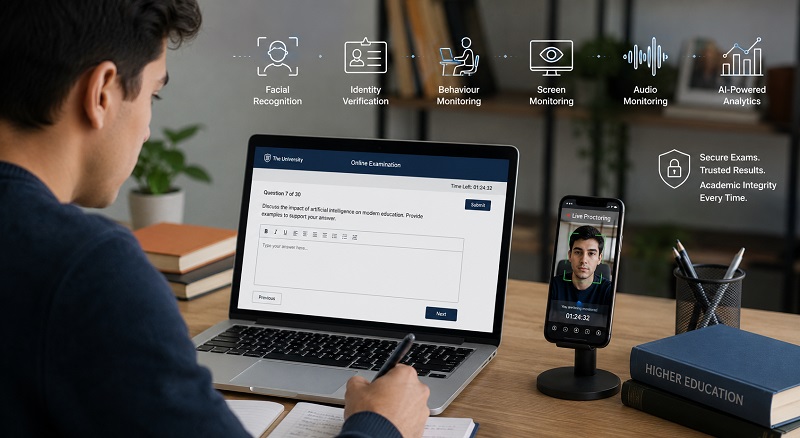
At the heart of effective remote assessments is a secure and trustworthy exam platform. Tools like The Invigilator App offer multiple features that reinforce integrity, such as:
- Biometric and facial recognition to confirm student identity
- AI-based behaviour monitoring using the device’s camera and microphone
- Location verification to detect proxy testing
- Offline functionality to ensure continuity in low-bandwidth environments
- Encrypted exam submissions for secure data handling
Institutions adopting such solutions can minimise human error, reduce instances of misconduct, and increase student confidence.
Remote Assessments in South Africa: Unique Considerations
South Africa presents a unique mix of opportunities and constraints for remote assessments. While the country leads in mobile connectivity compared to other African nations, significant disparities in internet access and data affordability remain.
This means institutions must prioritise:
- Low-data platforms that function on basic smartphones and devices
- Offline compatibility for exam submissions and monitoring
- Mobile-first design to accommodate the devices most students use
- Language accessibility across diverse student groups
By addressing these areas, institutions can improve participation rates and reduce inequality in remote testing.
Essential Features to Look for in a Remote Assessment Tool
To ensure your institution is equipped for 2026, your assessment platform should include:
- Multi-factor authentication
- AI-powered proctoring with real-time analysis
- Flexible support for assignments, tests, and quizzes
- Integrated messaging for communication during exams
- Dashboards for monitoring and audit trails
- Role-based access for secure exam management
- Data encryption and compliance with local privacy laws
These features build the foundation of a reliable and secure exam process.
Preparing Staff and Students for the Shift
Even the most advanced tools cannot ensure success without proper training and onboarding. Institutions should implement the following:
- Training Workshops: For lecturers, administrative staff, and IT teams.
- Demo Exams: To allow students to familiarise themselves with the format.
- Support Channels: Offering live help desks, WhatsApp support, or chatbots.
- Feedback Loops: Gather student and staff feedback to improve user experience.
Readiness is not just technological; it is also cultural and operational.
Case Example: The Invigilator App in Practice
Many South African institutions are already using The Invigilator App to proctor exams across a variety of disciplines. Its flexibility allows it to be used for:
- Formal exams with proctoring
- Open-book assessments with time control
- In-venue assessments with biometric check-in
- Class attendance verification
The platform’s success lies in its ease of use, affordability, and high compliance with academic policies.
What to Do Next: Institutional Roadmap for 2026
To ensure your institution is truly ready, consider the following roadmap:
- Audit Your Existing Exam Practices
- Assess Technological Readiness Across Campuses
- Select a Secure Platform with SA-Focused Features
- Pilot Assessments With Selected Faculties
- Scale Up With Data Insights and Feedback
Readiness is a journey, not a one-time action. Institutions that plan ahead now will thrive in the digital education space.
The Future of Remote Exams: More Than Just a Trend
By 2026, remote assessments will no longer be a backup or contingency measure. They will be mainstream. Students will expect convenience, flexibility, and transparency. Faculty will rely on technology to deliver scalable evaluations. Administrators will demand systems that uphold integrity while reducing administrative loads.
Institutions that embrace this future today will be better positioned to attract digital-native learners, reduce operational costs, and drive educational excellence in a connected world.
If your institution is preparing for the future of assessments, now is the time to act. Explore how The Invigilator App can help you build a secure and scalable exam environment.
Visit our Contact Page to get started.
FAQs and Answers
1. What are remote assessments?
Remote assessments are exams or tests conducted outside a traditional classroom or exam hall, usually online using digital platforms.
2. Why are remote assessments important in 2026?
They offer accessibility, flexibility, and scalability in education, especially for students in remote or underserved areas.
3. How can institutions ensure secure remote exams?
By using secure exam platforms with features like biometric verification, AI monitoring, and encrypted submissions.
4. What makes The Invigilator App suitable for South Africa?
It is mobile-friendly, low on data usage, works on entry-level smartphones, and supports offline functionality.
5. What features should remote exam platforms have?
Key features include facial recognition, AI proctoring, secure storage, live support, and flexible formats for assessments.
6. Is training necessary for remote assessments?
Yes, institutions should train staff and students to use remote assessment tools effectively and avoid disruptions.
7. Can remote assessments prevent cheating?
Yes, advanced platforms use AI monitoring, facial recognition, and location tracking to reduce academic dishonesty.
8. How can we prepare for remote assessments in 2026?
Audit current systems, choose a secure platform, run pilot tests, train users, and implement based on feedback.